Scale
Instead of hundreds of watts, a roof can support a system sized to annual use, EV charging, heat-pump electrification, or future loads.
Conventional solar is a permitted rooftop PV system installed by a contractor, interconnected with the utility, and usually sized in multiple kilowatts. For the Ventura house, the large south-facing roof makes this the option to evaluate first.
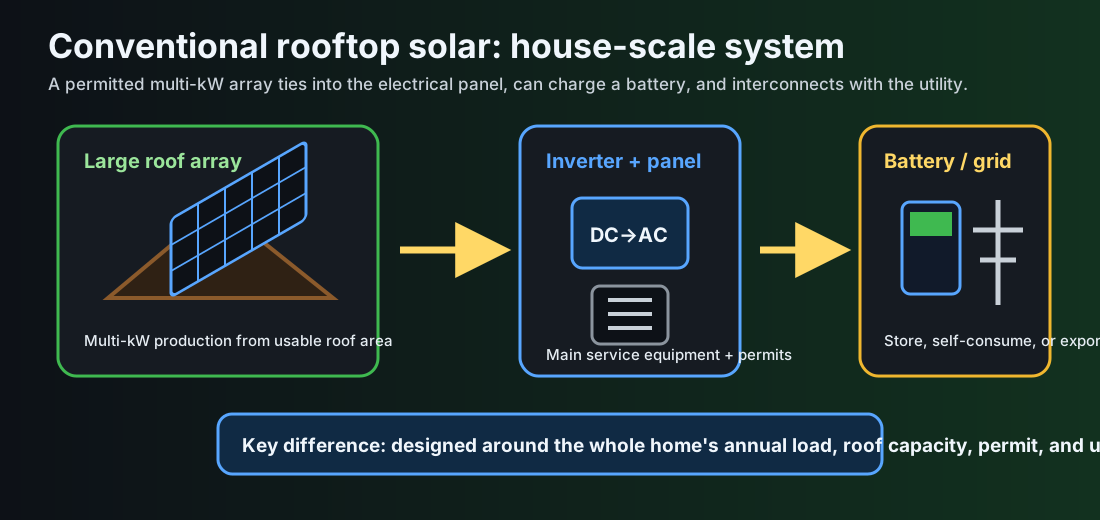
A large, mostly unshaded south-facing roof is close to the ideal physical setup for residential solar in Southern California. It can support a larger array, simpler layout, cleaner wiring, and better annual production than small portable panels or fragmented roof planes.
Instead of hundreds of watts, a roof can support a system sized to annual use, EV charging, heat-pump electrification, or future loads.
South-facing panels usually maximize annual production. West-facing panels can help time-of-use economics, so final layout should model both.
Ventura supports instant permits for qualifying residential rooftop PV and energy storage projects through its SB 379/Symbium pathway for licensed contractors.
California's net billing tariff changed the value of exported solar. Self-consumed solar offsets retail electricity; exported solar is credited differently and often at a lower value. That means the best conventional system may include a battery or load-shifting plan rather than simply maximizing noon exports.